Saturday, September 24, 2005

Interesting sites on Sales & Marketing

General Management / Sales Management Gyan

  • Harvard Business School : http://hbswk.hbs.edu/ Working Knowledge series : Interesting & practical information on CareerEffectiveness, Entrepreneurship, Finance, Globalization, Innovation, Leadership, Sales, Marketing , operations, Organizations, Social Enterprise , Strategy

Sales Force Management

Sales Promotion


Tuesday, September 20, 2005

Sales Coaching

There are many paths to success in business and life. But no path is universally right . One needs to find his right path knowing his strength & acknowledging his weakness.

The path that's right for you (or your team) may not be obvious. And even if it is, you might find that you're stuck, or blocked & unable to move toward your goals.

On the other hand, you might find yourself screaming down the road "Is this the right path for me?". But, as you know, the faster you go, the easier it is to veer off course.

Enter Sales coaching. An interactive process that helps you to choose where you're going, and helps you get to your destination faster. With less turbulence. And more joy along the way.

Unlike Other Coaching...

The Sales Coaching C@KB approach is to assist executives and teams find the right path & walk the right path

Our clients choose to work with us because:

  • We do NOT do touchy-feely coaching. If you're looking for a friend or a therapist, go find one.
  • We do NOT want to coach you forever. Our goal is to help you achieve your goals—not develop a dependency.
  • We do NOT approach assignments with starry-eyed naiveté. Our perspective is grounded in the real world. Because that's where we live and work.
  • We do NOT try to change you or tell you what to do. We won't try to make you into a clone of some idealized model. You wouldn't like it. And it wouldn't work anyway.

We do specialize in:

  • Helping smart, analytic people (with enormous left brains). If you're a professional, a technocrat, or a bright bottom-liner, you're our kind of client. We—like you—are task and results oriented. Sure, we'll enjoy working together. And one of our core competencies is helping introverts and hard-chargers improve their relationships with other people. But don't expect a lot of goofy neo-psuedo-psychobabble, or uncomfortable make-work assignments. Or a hug.
  • Obtaining definable results. We say no to b.s. And yes to specific outcomes. Know what you want? Great. We'll help you get it. Don't know what you want? No problem. We'll help you discover it. Either way, we view our assignment as specific, definable, and limited.
  • Working on short-term engagements. We want to assist you, not marry you. Our goal is to help you reach your goal. And then, wish you well. Until you decide you'd like us to assist again. (And, candidly, most of our clients do come back now and then for an assist. That's what we're here for. But clients call us. We don't pester or "up sell." Ever.)

The C@KB coaching model is designed to help you get what you want so you can live your life without an expensive crutch.

If you'd like to explore the possibility of working together—with no pressure and zero obligation—write to us as your comment to this blog .

Truth is, many of our clients do most of their work with us through email or blogging. But if you prefer at least an initial face-to-face meeting, we're delighted to meet you the old fashioned way.

Coaching FAQs

Coaching Process

Coaching Program

Sales Coaching - Book Reviews


Friday, September 16, 2005

Sales Coaching : Training Programs

Program 1 :
Organisation : American Management Association :

Who Should Attend

Vice presidents and directors of sales, sales managers, sales coaches, sales trainers and general managers.

How You Will Benefit
  • Understand your coaching style—and how to make it a more valuable asset to your sales team
  • Ensure that the right people have the right skills to achieve your sales objectives
  • Enable your salespeople to reach their full selling potential
  • Build a confident and competitive sales team
  • Create a better work environment with increased morale.
  • Enhance the relationship between sales management and the sales staff

What You Will Cover

  • Characteristics of an effective sales coach
  • Differentiating between coaching, training and counseling
  • Your role in fulfilling the corporate mission
  • Analyzing your existing sales force
  • Developing your sales team’s profile: behavior and growth aspirations
  • Creating an evaluation system and preparing for individual coaching sessions
  • Maximizing your coaching time: increasing the team’s return on time investment
  • Joint pre-call planning for the coaching session
  • The role of the sales coach during the sales call
  • Post-call observations: evaluating the call and determining areas for reinforcement
Date Location
Nov 17-18, 2005 Chicago, IL Register Now
Dec 08-09, 2005 Atlanta, GA Register Now
Apr 06-07, 2006 San Francisco, CA Register Now
May 18-19, 2006 Chicago, IL Register Now
Aug 17-18, 2006 Atlanta, GA Register Now
Oct 05-06, 2006 New York, NY Register Now
Nov 16-17, 2006 Chicago, IL Register Now

Wednesday, September 07, 2005

Launch Note : 7th Sept 2005

Dear Friends

This Knowledge bank aims to publish latest thoughts on sales and marketing . The idea behind launching this blog is to exchange ( deposit & withdraw) sales related information & knowledge. We can enrich ourselves by sharing information among our fellow collegues.

Pl send me your suggestion on the same & reccomend this site to your friends & collegues

Rgds
Shailesh

Monday, September 05, 2005

Sales Compensation _ Book Reviews

Book No1

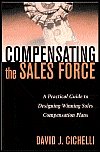
Compensating the Sales Force: A Practical Guide to Designing Winning Sales Compensation Plans( Click the image for details )

David J. Cichelli


ABOUT THE BOOK

Compensating the Sales Force: A Practical Guide to Designing Winning Sales Compensation Plans

SYNOPSIS

How sales people are paid has an immense impact on their performance. The right sales compensation program can lift a company's sales into the stratosphere and send its bottom line soaring; a poorly constructed plan can be disastrous. How do you find out whether your company's plan is working as well as it should? How can you construct and maintain a program that's tailored to your company's needs and sure to succeed? In Compensating the Sales Force sales compensation guru David Cichelli helps you answer these questions and many more.

While sales compensation is a powerful tool, choosing and structuring the right plan can be confusing. This authoritative, jargon-free handbook guides you through the entire process, from setting target pay, selecting the right performance measures, and establishing quotas to determining the mix and upside opportunities, and constructing the right formula.

In clear, concise language, this unique guide explains the basic concepts of sales compensation design, which apply to every industry; reveals why job content, not industry, is the source of compensation design; and provides a hierarchy of sales compensation formula types. You'll learn how to construct and calculate formulas for payout purposes and establish support programs such as quota allocation, sales crediting, and account assignment.

Cichelli provides a 10-step process for redesigning the sales compensation plans at your company. He presents guidelines for administering and automating your program, rolling out a new plan and explaining it to your sales force, and auditing and assessing your sales compensation program.

Complete with dozens of real-world examples that illustrate important points and demonstrate specific techniques and procedures, Compensating the Sales Force provides all of the cutting-edge tools you need to design, construct, and implement an effective sales compensation plan that maximizes profits and keeps them climbing.

David J. Cichelli has 20 years of experience designing sales compensation packages for companies large and small, including Verizon, Charles Schwab, FedEx, and Hewlett Packard.

[Back Cover Copy]

Design a sales compensation plan that sends profits soaring

Sales compensation works! It's the most effective tool managers have for motivating the sales force, improving their performance, and increasing profits. Creating a winning compensation plan, however, requires careful analysis, accurate calculation, and a clear understanding of sales compensation fundamentals.

Compensating the Sales Force provides expert guidance in the strategic, tactical, and technical aspects of sales compensation plan design. It supplies clear guidelines for selecting the right compensation plan for any type of firm, of any size, in any industry, and it offers step-by-step procedures for implementing each approach. This unique, jargon-free handbook gives managers the expertise they need to:

  • Set target pay
  • Select the right performance measures
  • Establish quotas
  • Determine the mix and upside opportunity
  • Construct and calculate the most effective formula
  • Implement support, administration, communication and assessment programs


Book No 2

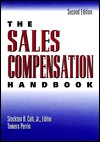
The Sales Compensation Handbook ( Click the image for details )


Truly a comprehensive resource, The Sales Compensation Handbook, Second Edition is packed with
problem-solving advice and insights that will help you keep your reps and your company profitable. Written by experienced analysts from one of the world's leading consulting firms, the book gives you "pearls of wisdom" from years of first-hand experience and reveals a myriad of high-level techniques that show you how to: initiate and reinforce a team selling approach; tie sales compensation packages directly to customer satisfaction, profit, and other company goals; recognize and reward the competencies that underpin effective sales strategy execution; and much more.


Sunday, September 04, 2005

Sales Force Design - Book Reviews

Book No 1

Transforming Your Sales Force for the 21st Century ( Click the image for details )

Distribution companies, by their nature, should be sales-oriented companies. But, most distributors don't do sales very well. That's the premise behind this new book.

The book, written for sales managers and executives in the distribution industry, provides a blue print for executives to transform their sales forces into highly directable, effective, focused performers.

The book begins with an analysis of current conditions that pressure the distributor to
revise the way he/she thinks about his sales force. Kahle then paints a picture of the distributor sales force of the future. The sales force will be:
  1. more specialized
  2. more directable
  3. more flexible
  4. more professional
  5. more productive.
His advice begins with "See it as a system," a concept that is based on one of the key principles for the book, "When you change the structure, you change the behavior of the people who work within that structure."

Kahle then draws on his 30 years of experience in working with sales people and distributors to articulate the ten highest potential initiatives for distribution companies. Each is described in a down-to-earth, easily understood style that makes it easy to implement.


Sales Coaching- Book Reviews


Book No 1 :


Sales Coaching: Making the Great Leap from Sales Manager to Sales Coach

by Linda Richardson ( Click the image for more details )

Book Description
As companies shift from hierarchical management into teamwork, managing is not nearly as important as coaching. Here is the first book on the coaching process written exclusively for sales managers--a brief, easy-to-digest primer on making the transition from a traditional boss to a sales coach. Created by an author/instructor who teaches sales management as the prestigious Wharton Executive Development Center, this guide shows sales managers how to: understand the nuances and payoffs of coaching: conduct coaching sessions and improve key skills such as listening and giving feedback; deal with problems such as discipline and reluctant behavior within the sales team; and coach and peers on oneself.

This book will show you as a sales manager how to:
  • Help each of your salespeople increase effectiveness and productivity
  • Develop questions, listening, and closing skills in your people
  • Motivate your salespeople to stretch beyond their comfort zone
  • Teach your salespeople to self-coach
  • Increase your skill and comfort with giving feedback
  • Turn sales problems into sales revenue
  • Strengthen relationships with your sales team
  • Take sales training out of the training room and put it into everyday sales practice
  • Create a culture that supports team sales
  • Increase the success and fun you have with your salespeople

Book No 2 :

Coaching for Sales Success by Tom Reilly

Book Description
COACHING FOR SALES SUCCESS provides sales managers with a model for building the value added sales culture. As they read this book, they learn to think, plan, and execute strategically.

This book begins with a culture-building exercise to help sales managers develop a core focus. Each chapter builds on the previous chapter, as it helps sales managers construct a value added sales management infrastructure around this core focus.

By the time sales managers complete reading this book, they will have completed a strategic planning exercise to guide their sales organizations to success. The last section in this book offers sixteen follow-up training exercises to help sales managers prepare their salespeople for the rigors of Value-Added Selling.

These are the main topics in this book:

* Create the value added sales culture
* Hire the right people
* Set goals that motivate
* Train your salespeople for success
* Pay for performance
* Motivate your salespeople
* Coach your salespeople to success
* Coach your team to succeed

About the Author
Tom Reilly is celebrating twenty-three years as a professional speaker and author. He is the president of Tom Reilly Training - a company that specializes in training salespeople and their managers. He has written ten business and self-help books and more than two hundred articles that have appeared in business publications, trade journals, and newspapers throughout the United States and Canada. In addition to his books and articles, Tom has written and produced forty audio cassette programs, a Value-Added Selling compact disc set and recently produced a video learning series at the PBS affiliate in St. Louis. He has started two successful businesses.


Book No 3

Coaching Companies to Greater Sales and Profits

Book Description
Examples of proven, practical and street-tested action items. Sales leadership is the key. Here are specific action ideas to help find, keep and grow top performers. 366 daily reminders that will stimulate you and your business.

About the Author
Jack Daly brings 20 plus years of field proven experience - from a starting base with the CPA firm of Arthur Andersen to the CEO level of several national companies. He has participated at the senior executive level in four de novo businesses, two of which were subsequently sold to the Wall Street firms of Solomon Brothers and First Boston.

As the head of sales and production, Jack has led sales forces numbering in the thousands, operating out of hundreds of offices nationwide.


Happy Reading ....


Barnes & Noble University


Friday, September 02, 2005

Sales Force Performance Metric

Designing a Metrics Dashboard for the Sales Organization
By Mike Rose, Director of Development, SalesLobby.com,


Metrics can serve as critical measures of success for any organization and, in particular, the sales force can benefit immensely from an understanding of how to identify and track these quantities in a meaningful way.

The primary objective of the dashboard creation process is to identify and implement key performance measures and indicators that will enable managers to quickly and effectively manage the sales organization. This can be accomplished through selecting metrics that support sales objectives, strategy and goals. Some of the benefits that will result from implementing the dashboard include:
  • Gain a deeper understanding of the drivers of sales productivity
  • Identify where management action is required to improve sales productivity and effectiveness
  • Develop a common vehicle for monitoring and improving performance
  • Understand sales performance from a variety of perspectives
  • Build consensus on key performance measures and drivers
  • Clarify accountability around specific measures
  • Enable performance benchmarking with competitors and best-in-class companies
Approach
Corporate vision guides the development of an organization’s sales objectives, strategy and tactical goals. Metrics are in turn driven by sales strategy and goals. At the tactical level, metrics serve as the primary vehicle for managing performance within the organization. Targets are set for each metric, performance is monitored and interpreted to provide timely feedback and corrective actions are initiated (see Figure 1).


Figure 1

But which metrics should we choose? The sheer abundance of metrics creates a situation in which it may be difficult to properly identify metrics that make the most sense. In answering this question, the first step is to create a framework in which all the available metrics may be organized and prioritized. This framework consists in two dimensions; first, a corporate perspectives dimension and secondly a sales performance dimension.
The corporate approach takes a 360 degree view of the organization from five distinct perspectives: customers, employees, partners, investors and internal processes. This approach is typically utilized in the so called “Balanced Scorecard” approach.


Each of the corporate perspectives should be examined and appropriate individuals identified to provide a list of metrics.
In addition to the corporate perspective, a sales performance dimension must also be included. This breaks sales performance into four elements: readiness, productivity, efficiency and effectiveness. Below we define each of these elements and show a few examples.


The key to the metrics identification process consists in both fact-finding and identifying metrics as well as categorizing metrics according to the above two dimensions, corporate perspective and sales performance. This basically involves the creation of a matrix with these two axes which then may be populated with metrics collected through the fact-finding process.

Dashboard Design Process
The dashboard design process consists in metric selection, design and implementation. Each of these steps involve some basic principles outlined below.
Metric Selection
  • Supports stated objectives, strategies and goals
  • Can be directly impacted by sales management
  • Can be measured in a cost effective and timely fashion
  • Reflects one of the four key dimensions of sales performance (readiness, productivity, efficiency and effectiveness)
  • Enables performance benchmarking with industry competitors and best-in-class companies
Dashboard Design Principles
  • Reflects senior management priorities
  • Balances internal and external metrics
  • Includes measures of past performance and indicators of future performance
  • Minimizes the number of metrics in order to facilitate management interpretation
The actual design process is outlined below along with the detailed steps involved.

  • Identify existing and potential metrics by corporate performance perspective (interview process)
  • Categorize metrics into four dimensions of sales performance (efficiency, effectiveness, productivity and readiness) and eliminate unclassifiable metrics
  • Create preliminary scorecard matrix that combines business perspectives with sales performance dimensions
  • Review scorecard matrix for completeness and add metrics based on experience
  • Eliminate metrics that cannot be measured or are too costly to measure
  • Eliminate metrics that cannot be significantly impacted by sales management
  • Prioritize metrics based on alignment with stated strategy and goals
  • Select top metric per cell in scorecard matrix based on alternative approaches
  • Evaluate alternative scorecards and select most appropriate metrics
  • Assign metric accountability
  • Determine performance targets
  • Obtain available benchmark data
  • Determine monitoring, interpretation and feedback procedures and guidelines
  • Develop corrective action review process

Metrics Matrix Design
To facilitate the dashboard design process, a matrix tool may be created to help classify the various metrics uncovered in the fact finding process. Because each metric can be understood in terms of sales performance as well as a business perspective, a metrics matrix can be created that combines the business perspectives along the horizontal axis with sales performance dimensions along the vertical axis. Each metric is placed in the matrix based on its most appropriate classification with respect to these dimensions. This tool has the following benefits:
  • Creates a framework around the metrics selection process
  • Balances business perspectives and sales performance views
  • Provides a systematic approach
  • Facilitates prioritization
  • Allows identification of particular areas of emphasis
  • Highlights areas with no metric coverage
Example Matrix:


CustomersEmployeesPartners ProcessesInvestors
Effective-
ness
  • Win/loss

  • Number of deals involving partners

  • Product Revenue as a percent of total
  • Revenue growth
  • Market Share
  • Efficiency
  • Ease of doing business
  • Time allocation

  • Sales cycle time
  • Frequency of Proposal Letter use
  • Quality of qualification
  • Expense
  • Productivity
  • Deal size
  • Revenue per head
  • Revenue/
    expenseMargin
    /head
  • Indirect revenue
  • Quota $
    per rep
  • Margin
  • Readiness
  • Customer satisfaction
  • Customer reference-ability
  • Turnover %
  • Number of performance appraisals completed
  • Days training
    per employee

  • Pipeline coverage
  • Forecasting accuracy
  • Resource capacity


  • Criteria for Eliminating Metrics
    Eliminate metrics that cannot be measured or would be too costly to measure
    • Partner coverage
    • Amount of effort exerted on business approvals
    Eliminate metrics that cannot be directly impacted by the sales organization
    • Customer’s growth rates
    • Customer profitability
    • Partner satisfaction
    • Number of deals involving per partner
    • Share of partner revenue by platform
    • Partner’s profit margin
    • Partner churn
    • Rate of technology transfer
    • Number of certified consultants
    • Number of certified partners
    Prioritization Decision Rules
    Each cell in the metrics matrix may contain many metrics and, as a result, must be prioritized. Some basic rules to follow in that process are as follows:
    • Alignment with stated strategy and goals – Use metrics that align with strategy or show alignment with strategy the organization
    • Frequency and intensity of emphasis during fact-finding – Use metrics that different corporate perspectives emphasize
    • Experience – Use metrics that experience shows are important to measure
    • Availability of benchmark data – Use metrics for which benchmarks exist
    Preliminary Dashboard
    After the completion of the matrix a preliminary matrix may be created that graphically represents the top metrics from each cell. Feedback from management can help determine additional changes or alternative metrics that are required.


    Implementation Steps
    After agreement on dashboard design, the implementation process may begin. Effective dashboards require live data feeds and, hence, the data integration process may be complex because of multiple data sources. Here is a list of the steps involved in implementation.
    • Select final dashboard metrics
    • Identify data sources
    • Assess feasibility
    • Assign metric accountability
    • Develop action plan
    • Create timeline
    • Populate initial metrics
    • Establish internal and external benchmarks
    • Determine targets
    • Determine monitoring, interpretation, feedback procedures and guidelines
    • Develop corrective action review process
    Best practice allows for online dashboards that may be customized to a users needs. For example, the matrix tool described above might be provided online and the user could select from these metrics those they were interested in and build up there own dashboard. In addition, each user will want the ability to drill down to a level in the organization that is relevant to their position (i.e. a district manager wants to see his district data).

    In conclusion, the dashboard design process is detailed and requires thorough research. In addition, data integration and online application development are critical. However, the benefits of an effective dashboard far outweigh the costs in allowing management the critical measures necessary to guide the organization toward success